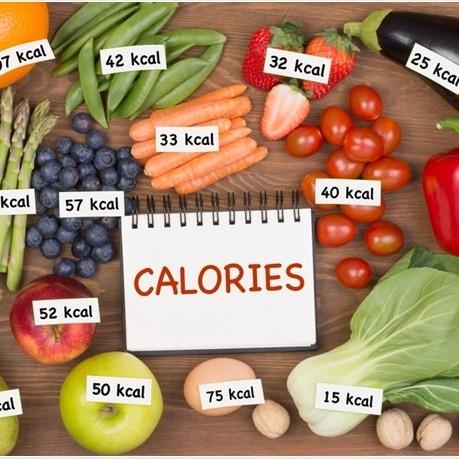



The Paleo diet an eating plan mimicking what Paleolithic (Stone Age) hunter-gatherers ate, focusing on whole, unprocessed foods like lean meats, fish, fruits, vegetables, nuts, and seeds, while excluding grains, dairy, legumes, refined sugar, and processed foods, aiming for health improvements by eating foods presumed available to ancestors. It emphasizes fresh ingredients and avoids anything developed after the agricultural revolution, though interpretations vary on specifics like potatoes or dairy, aiming for health improvements by eating foods presumed available to ancestors. It emphasizes fresh ingredients and avoids anything developed after the agricultural revolution, though interpretations vary on specifics like potatoes or dairy.
What to Eat
What to Avoid
What to Eat
- Proteins: Lean meat (grass-fed preferred), fish(wild-caught), poultry, eggs
- Fruits & Vegetables: All fresh options, emphasizing low-glycemic varieties.
- Nuts & Seeds: Almonds, walnuts, chia, flax, etc..
What to Avoid
- Grains: Wheat, oats, barley, rice, corn.
- Legumes: Beans, lentils, peanuts, soy.
- Dairy: Milk, cheese, yogurt, butter.
- Refined Sugar & Processed Foods: Sweets, sodas, packaged snacks, most oils
Potential Benefits and Risks
Benefits:
- May aid in short-term weight loss due to high protein/fiber content and elimination of calorie-dense processed foods.
- May improve blood pressure, cholesterol levels, and blood sugar control in the short term.
- Emphasizes nutrient-dense whole foods over highly processed modern diets.
- Risks and Considerations:
- Nutrient deficiencies: Eliminating whole grains, legumes, and dairy can lead to inadequate intake of fiber, calcium, vitamin D, and certain B vitamins.
- Cost and adherence: The diet can be expensive and restrictive, making it difficult to follow long-term.
- Lack of long-term evidence: Most studies on the Paleo diet are small and short-term. Long-term health effects are not well-known.
- High red meat intake: A meat-heavy diet, especially with non-lean cuts, has been tied to an increased risk of heart disease.
- Before starting any restrictive diet, it is recommended to consult with a healthcare provider or a registered dietitian to ensure all nutritional needs are met.