


Gestational diabetes is high blood sugar that usually develops for the first time during pregnancy . It happens when the body becomes resistant to insulin, a hormone that regulates blood sugar. Management involves diet, exercise, monitoring blood sugar, and sometimes medication, and is crucial to prevent health problems for both mother and baby
It is often diagnosed between the 24th and 28th week of pregnancy through routine screening
Often, there are no noticeable symptoms.
RISK FACTORS
It is often diagnosed between the 24th and 28th week of pregnancy through routine screening
Often, there are no noticeable symptoms.
RISK FACTORS
- Being overweight or obese before pregnancy.
- Lack of physical activity.
- Having prediabetes.
- Having GDM during a previous pregnancy.
- Family history of type 2 diabetes.
- Being over 25 years old.
- Having a hormone condition like polycystic ovary syndrome (PCOS).
- Being of a high-risk ethnic group (e.g., African American, Hispanic, American Indian, Asian American, Pacific Islander).
- Having previously delivered a baby weighing over 9 pounds (4.1 kg).
Diagnosis is usually made through a glucose challenge test, followed by a glucose tolerance test if the initial screening result is abnormal. These tests involve drinking a sugary solution and having blood samples drawn at specific time intervals to check blood glucose levels.
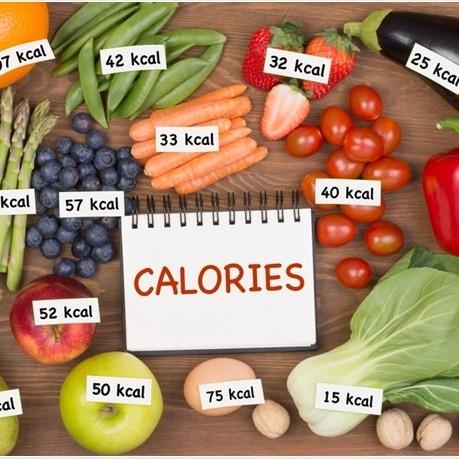
- Eating a healthy, balanced diet with a focus on fruits, vegetables, and whole grains, and limiting processed foods and sugary drinks.
- Engaging in at least 30 minutes of moderate-intensity activity on most days of the week, such as brisk walking or swimming.
- Regularly checking blood sugar levels at home multiple times a day (e.g., fasting and after meals) to ensure they stay within target ranges.
- If lifestyle changes are insufficient, a healthcare provider may prescribe medication, most commonly insulin injections, to manage blood sugar levels.
Complications
- Preeclampsia: A serious condition involving high blood pressure and potential organ damage.
- Increased likelihood of C-section: Due to the baby being larger than normal (macrosomia).
- Future Type 2 Diabetes: A significantly higher risk of developing type 2 diabetes later in life.
- High Birth Weight (Macrosomia): Which can lead to birth injuries (e.g., shoulder dystocia).
- Premature Birth: Delivery before the due date.
- Breathing Problems: Such as respiratory distress syndrome.
- Low Blood Sugar (Hypoglycemia): Occurring shortly after birth, which may require intravenous glucose.
- Obesity and Type 2 Diabetes: An increased risk for these conditions later in childhood and adulthood.
- Stillbirth: A rare but serious risk if GDM is untreated.