Thank you for writing to us. One of our executive will reach back to you through your submitted medium. In case there’s an urgency, feel free to connect over WhatsApp for faster response.
Prefer calling? Dial +9108042781449 (International callers) or 08042781449 (Indian callers).
Periodontitis in Diabetes #bestdiabetologistinkolathur #bestcardiologistinkolathur
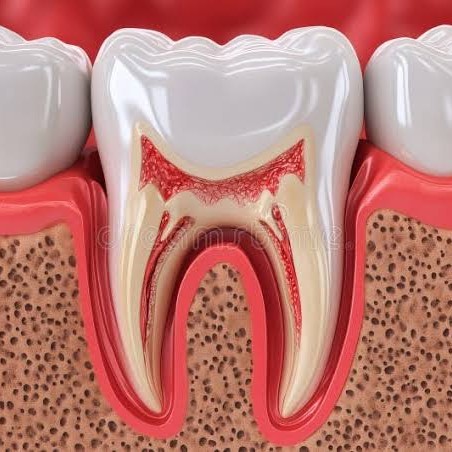
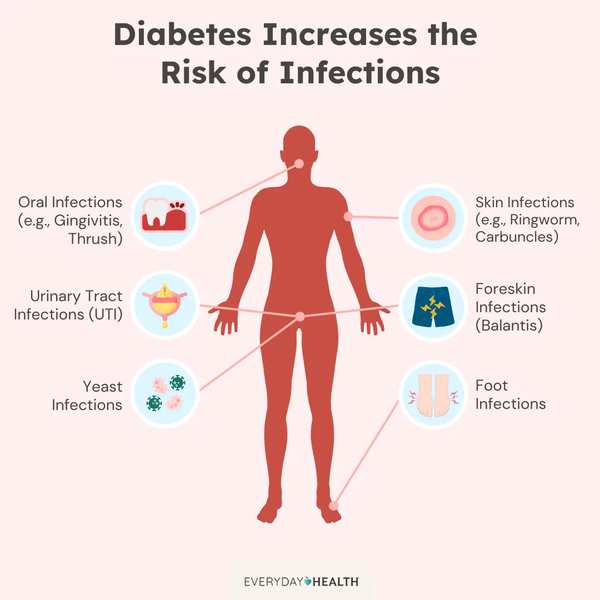
Diabetes and periodontitis (severe gum disease) share a bidirectional relationship, where diabetes increases the risk and severity of gum disease, while periodontal infection makes blood sugar control harder. Often considered the "sixth complication" of diabetes, gum disease in diabetics is linked to increased inflammation, impaired healing, and a higher risk of diabetic complications.
Key Connections & Impacts
Two-Way Interaction: Diabetes increases susceptibility to infections like periodontitis, which can in turn increase insulin resistance and raise HbA1c levels.
Higher Risk: People with diabetes are 2–3 times more likely to develop periodontitis.
Severity: Poorly controlled blood sugar is linked to more severe, rapid, and extensive destruction of periodontal tissues.
Impact on Glycemic Control: Treating gum disease (e.g., deep cleanings) can help improve glycemic control (lower HbA1c) in diabetics.
Mechanism: Hyperglycemia (high blood sugar) increases oxidative stress and inflammatory responses in the gums, accelerating tissue destruction.
Management and Prevention
Maintain Stable Blood Sugar: Effective management of diabetes reduces the risk of periodontal disease.
Regular Dental Check-ups: Diabetics should visit a dentist regularly to detect and treat gum disease early.
Oral Hygiene: Daily brushing and flossing are essential to remove plaque.
Smoking Cessation: Smoking significantly increases the risk of gum disease, especially in diabetics.
Bus Stand, Dr Antony's Cardio Diabetic Centre, 7/158, 15th street, Jagannathan Salai, opposite to Periyar Nagar, Periyar Nagar West, Perambur, Chennai, Tamil Nadu 600082
600082
Chennai
India
08042781449
Dr Antony's Cardio Diabetic Centre
https://www.drantonyscardiodiabeticcentre.com
0
True
Interventional Cardiologist
Diabetologist
General Consultation
Book Appointment
Fee Rs 400
In-clinic
Video Call
August 2023
Sun
Mon
Tue
Wed
Thu
Fri
Sat
Request Appointment
By clicking on ‘Send Request’, you choose to agree to our Terms & Conditions.
Slot Selected
06:00 PM - 06:30 PM
Holistic Package
Appointment Fee: INR 200INR 500
By clicking on ‘Send Request’, you choose to agree to our Terms & Conditions.