

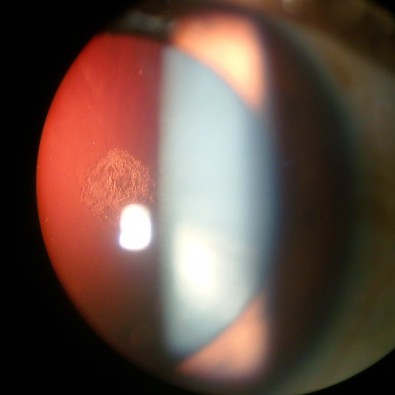
Diabetic cataract is a rapid onset clouding of eyes' lens due to high blood sugar, which leads to sorbitol accumulation, lens swelling, and damage. People with diabetes develop cataracts earlier and more often
. Key symptoms include blurred vision, halos, poor night vision, and frequent prescription changes
Key Aspects of Diabetic Cataracts:
- Pathogenesis: High glucose levels convert to sorbitol, causing osmotic damage to lens fibers.
- Types: Often manifests as posterior subcapsular cataracts, or "snowflake" cataracts in younger type 1 patients.
- Risk Factors: Longer duration of diabetes, poor glycemic control (HbA1c levels), and coexisting complications like retinopathy.
- Management: While early metabolic changes can sometimes be reversed, surgery is generally needed to restore vision.
- Surgery and Diabetes: Cataract surgery is highly effective, but blood sugar should be well-managed to prevent post-operative complications
Symptoms of Diabetic Cataract
- Blurry or cloudy vision
- Colors appearing faded or yellow
- Difficulty seeing at night
- Sensitivity to light/glare
- Halos around lights
- Frequent changes in eyeglass prescription
Prevention and Treatment
- Strict Blood Sugar Management: Consistent blood sugar control is crucial to slow or prevent progression.
- Regular Eye Exams: Individuals with diabetes should have comprehensive dilated eye exams at least annually.
- Surgery: When vision is impaired, surgery involves removing the cloudy lens and replacing it with an intraocular lens