
Ectodermal dysplasias (EDs) form a diverse group of inherited disorders characterized by a congenital defect in two or more ectodermal structures, one of which involves hair, teeth, nails, or sweat glands.
The principal clinical features of ectodermal dysplasias (EDs) with prominent cutaneous features have been covered underneath.
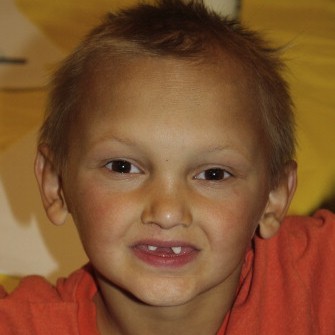
1. Hypohidrotic Ectodermalb Dysplasia: The most common form, X linked hypohidrotic ED, presents with a constellation of hair and tooth anomalies along with an inability to sweat. . The scalp hair is sparse or absent with light-brown pigmentation. Affected infants clinically present with pyrexia of unknown origin and hyperthermia as early as the first few hours of life. This happens due to an inability to sweat to a detectable degree, which leads to elevation of core body temperature. In general, the history of heat tolerance is characteristic but not obligatory. The skin appears smooth due to disturbance in the dermatoglyphics due to absent eccrine pores. Facial dysmorphism is a diagnostic feature. Periorbital wrinkling, sebaceous hyperplasia of the face, saddle nose, fully everted lips, and prominent frontal bossing characterize the facial appearance. Teeth are usually peg-shaped with a reduced number. Basal secretions and cerumen are viscous, leading to recurrent respiratory tract infections. Atopic eczema is a common co-morbidity. Associated features include hoarseness of voice, gastroesophageal reflux, and unilateral or bilateral breast aplasia/hypoplasia. All of the above features are preferentially observed in males. . Cutaneous manifestations in the form of erythroderma, seborrheic dermatitis, and intertrigo are common. Nails remain unaffected in hypohidrotic ED.
2. Hydrotic Ectodermal Dysplasia: It is also known as Clouston syndrome. This condition primarily affects the hair and nails with sparing of teeth and eccrine glands. The hair and nail changes manifest in early infancy and progress over time. The hair is 2. Hydrotic ectodermal dysplasia: it is also known as Clouston syndrome. This condition primarily affects the hair and nails with sparing of teeth and eccrine glands. The hair and nail changes manifest in early infancy and progress over time. The hair is wiry, brittle, and sparse. Patchy alopecia is a common feature. The nails are milky-white and small during infancy and show progressive thickening of the nail-plate with age, ultimately culminating in the separation from the distal end of the nail bed. Palmo-plantar keratoderma is a prominent feature. Palms and soles show stippled hyperkeratosis with a cobblestone-like pattern on the dorsal aspect. Oral leukoplakia has been observed. The sparseness of eyelashes predisposes to recurrent episodes of conjunctivitis and blepharitis.
3. Wiktop Tooth and Nail Syndrome: Affected individuals present with thin, brittle nail plates that grow slowly. Koilonychia maybe evident since birth, which tends to improve overage. Nail abnormalities tend to involve toenails more. Both primary and secondary dentition is affected. The primary teeth may be conical or normal and show prolonged retention. Secondary dentition may be partially or totally absent, especially the mandibular incisors, maxillary canines, and second molars. Fried tooth and nail syndrome is a similar condition with additional consistent hair abnormalities and autosomal recessive inheritance.
The above mentioned three disorders have been conventionally identified as classical ectodermal dysplasias.
4. Ankyloblepharon-Ectodermal Defects-Cleft Lip/Palate Syndrome: Also known as Hay-Wells syndrome. Clinical features are evident right from birth. A classic erythrodermic presentation with peeling skin and underlying erosions is common, resulting in potentially fatal infections due to acute skin failure. The scalp is invariably involved in the form of a chronic oozing erosive dermatitis, patchy alopecia, and wiry hair—hair-shaft abnormalities such as the pili-torti range from hyperconvexity to anonychia. Sweating may be decreased with resultant thermal intolerance. Dental abnormalities include hypodontia and conical teeth. Additional features that differentiate this syndrome from other variants include hyper granulation tissue formation, recurrent skin infections, cribriform and stellate scarring of the shoulders and upper trunk, and reticulated pigmentation of the intertriginous areas. Congenital strands of tissue, also known as ankyloblepharon adnatum filiform, are observed between the eyelids, which might require surgical correction or resolve spontaneously. Lacrimal duct atresia may occur. External ear malformation may be observed. Almost all patients of AEC present with a cleft palate with or without cleft lip. Gastroesophageal reflux causing failure to thrive is present in most patients and is severe enough to warrant gastrostomy placement. Hypospadias, supernumerary nipples, and limb abnormalities are other associated conditions