


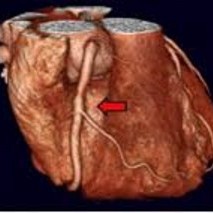
A CT coronary angiography (CTCA) is a non-invasive medical imaging test that uses a powerful X-ray machine and injected contrast material (dye) to produce detailed, three-dimensional (3D) images of the heart and the arteries that supply it with blood. This procedure helps doctors check for narrowed or blocked coronary arteries and other heart conditions.
The test is used to detect various issues, including:
- Plaque buildup (atherosclerosis) in the artery walls, including non-calcified and calcified deposits.
- Narrowing or blockages (stenosis) in the coronary arteries.
- Abnormal blood vessel formations or aneurysms (bulges) in the aorta or other major vessels.
- Blood clots, such as a pulmonary embolism in the lungs.
- Assessment of bypass grafts in patients who have had prior coronary artery bypass surgery.
How It Works
The procedure is an outpatient test that typically involves the following steps:
- Preparation: You will change into a gown and lie on a long table that slides into a large, donut-shaped CT scanner. Electrodes (small, sticky patches) are placed on your chest to monitor your heart's electrical activity (ECG). To ensure clear images, medication (such as a beta-blocker) may be given to slow your heart rate, and nitroglycerin may be administered to widen the coronary arteries.
- Contrast Injection: A healthcare professional inserts an intravenous (IV) line, usually in your arm or hand, to inject the iodine-containing contrast dye. You may feel a warm flush or a metallic taste in your mouth as the dye is injected; these sensations are normal and pass quickly.
- Scanning: The table moves through the scanner while an X-ray tube rotates around you, taking multiple images. You will be asked to remain still and hold your breath for a few seconds during the scan to prevent blurry images from movement. The actual scan only takes a few seconds, but the entire process, including preparation, can take up to an hour or more.
Benefits and Risks
Benefits:
- It is a non-invasive procedure, avoiding the need for a catheter to be inserted through the groin or wrist as in a traditional (invasive) coronary angiogram.
- Recovery time is minimal; you can typically return to your normal activities immediately after the test.
- It can provide detailed anatomical information about the heart and surrounding structures, helping to rule out other causes for symptoms.
Risks
- Radiation Exposure: The test involves exposure to ionizing radiation, though modern scanners use dose-saving strategies to minimize this risk.
- Contrast Reaction: There is a rare risk of an allergic reaction to the contrast dye, which can range from mild (rash, itching) to severe.
- Kidney Function: The contrast material can potentially affect kidney function, especially in people with pre-existing kidney disease. Your doctor will check your kidney function before the test.