

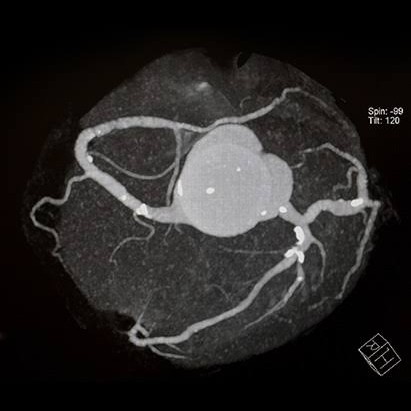
A cardiac calcium score test (also known as a coronary artery calcium (CAC) scan) is a non invasive CT scan that detects the calcified plaque in the coronary arteries. This score helps doctors determine a patient's10-year risk of a heart attack or stroke, especially if the patient has moderate risk factors but no symptoms.
The test is primarily recommended for adults aged 40–70 with a borderline or intermediate risk of heart disease. Key risk factors include:
The test is primarily recommended for adults aged 40–70 with a borderline or intermediate risk of heart disease. Key risk factors include:
- Family history of early heart disease.
- High cholesterol, high blood pressure, or diabetes.
- Smoking history (past or present).
- Obesity or a sedentary lifestyle.
The results are usually given as an Agatston score. Higher scores indicate more extensive plaque and a higher risk of cardiac events:
- Score of 0: No detectable plaque; very low risk of heart attack in the next 2–5 years.
- 1–10: Minimal plaque; low risk.
- 11–100: Mild plaque; moderate risk.
- 101–400: Moderate plaque; significant risk of coronary artery disease.
- Over 400: Extensive plaque; high risk of a heart attack.
Risks and Costs
- Radiation: The test involves a low dose of radiation, roughly equivalent to what you naturally receive from the environment in one year.
- Cost: The expense of the scan in high enough to limit it's widespread use
- Limitation: The scan only detects hard (calcified) plaque. It cannot see "soft" plaque, which can also lead to heart attacks.