

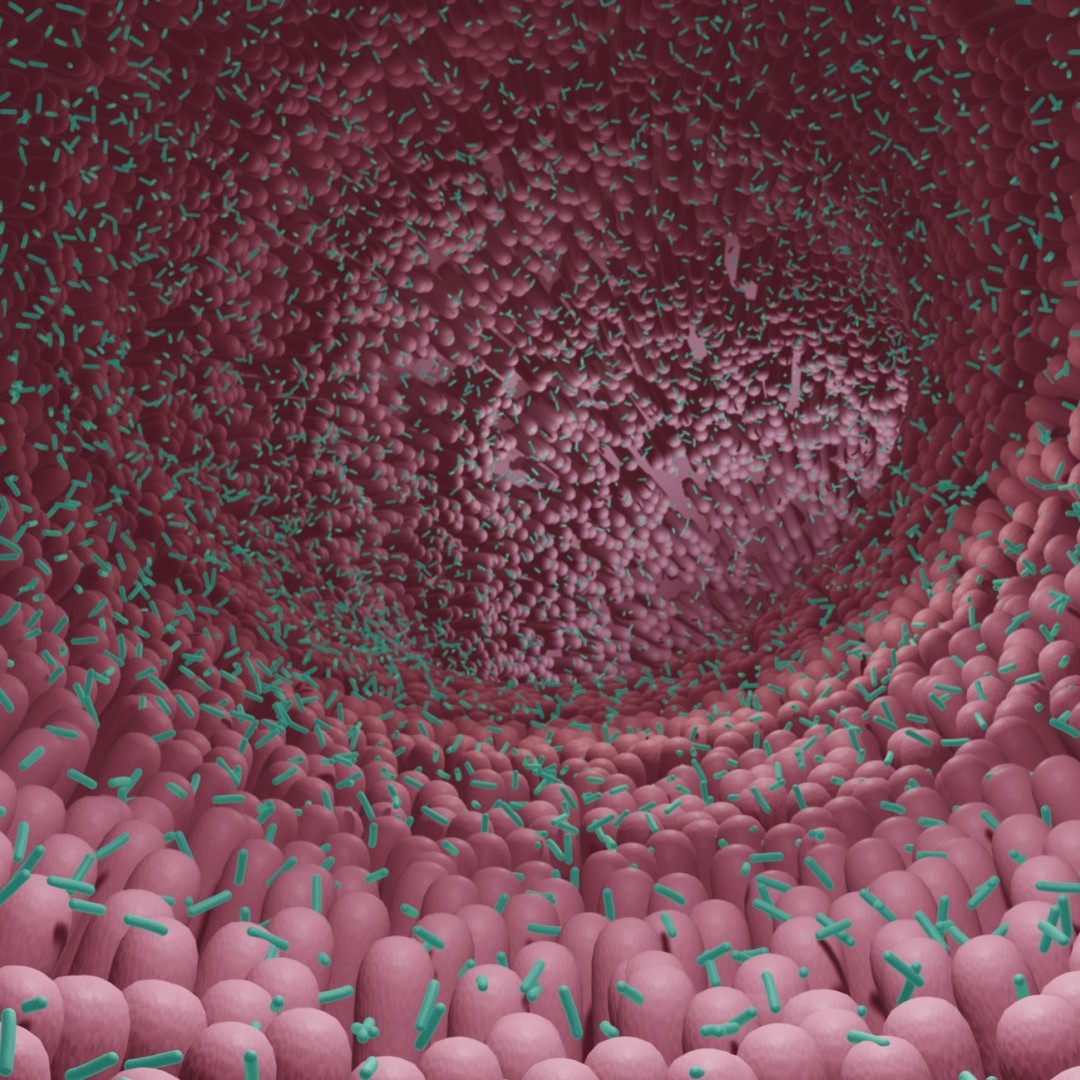
The gut microbiome, comprising trillions of microorganisms in the digestive tract, plays a critical role in diabetes with imbalance influencing insulin resistance
. Studies show distinct bacterial changes—such as reduced beneficial Bifidobacterium and increased opportunistic microbes—are linked to Type 2 diabetes, often driving systemic inflammation, metabolic dysfunction, and increased intestinal permeability
Key Connections Between Gut Microbiome and Diabetes:
- Insulin Sensitivity & Bacteria: Higher levels of Coprococcus are linked to better insulin sensitivity, while higher Flavonifractor levels are associated with lower sensitivity.
- Pathogenesis Mechanisms: Dysbiosis contributes to type 2 diabetes through metabolic endotoxemia (inflammation) and reduced production of beneficial substances like short-chain fatty acids (SCFAs), which help regulate glucose metabolism.
- Metabolite Impact: Gut microbiota metabolize food into compounds (like SCFAs and amino acids) that regulate energy metabolism. An unhealthy mix of bacteria, such as increased Prevotella copri (which produces high levels of branched-chain amino acids), is linked to higher type 2 diabetes risk.
- Metformin Interaction: Common anti-diabetic medication, particularly metformin, has been shown to alter the gut microbiota, with its effectiveness partly tied to these microbiome changes
Managing Gut Health for Diabetes Control:
- Dietary Impact: A high-fiber diet, along with probiotics, can promote beneficial bacteria like Akkermansia, Bacteroides, and Bifidobacterium, which are known for supporting healthy glucose metabolism.
- Therapeutic Potential: Interventions aiming to restore healthy microbiome balance, such as dietary adjustments and probiotics, are currently being explored as novel ways to prevent and treat type 2 diabetes