Thank you for writing to us. One of our executive will reach back to you through your submitted medium. In case there’s an urgency, feel free to connect over WhatsApp for faster response.
Prefer calling? Dial +918042781449 (International callers) or 08042781449 (Indian callers).
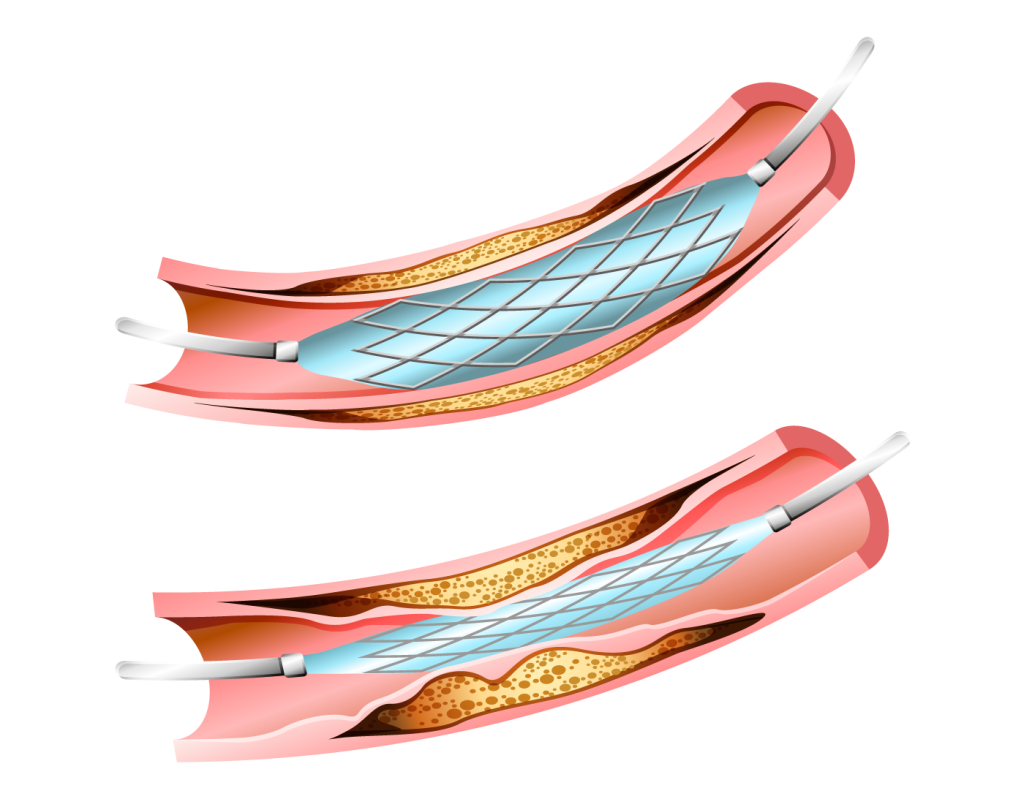
What is the lifespan of a stent used in treating acute heart attacks #bestcardiologistinkolathur
6a186012f436ebd4ffe084d8"
While cardiac stents are considered permanent implants designed to stay in your body for life, their functional effectiveness can vary. Most modern metallic stents remain stable for 10 to 15 years or more, but the risk of the artery re-narrowing is highest in the first six months
Lifespan by Stent Type
The duration a stent remains effective depends largely on the material and technology used
Drug-Eluting Stents (DES): These are the most common type. They are coated with medication to prevent scar tissue from growing and re-blocking the artery. They typically have a lower re-narrowing rate and a functional lifespan of 10+ years
Bare-Metal Stents (BMS): These do not have a drug coating. While they are also permanent, they have a higher risk of re-narrowing (restenosis), with an average effective lifespan often cited between 5 to 10 years
Bioresorbable Stents: A newer, less common category designed to dissolve completely after about 2 to 3 years once the artery has healed
Factors That Influence Longevity
The stent itself is a durable metal mesh that does not "wear out," but its performance depends on your health and lifestyle
Medication Adherence: Following a prescribed regimen of blood thinners (antiplatelets) and statins is critical to preventing blood clots from forming inside the stents
Smoking Cessation: Smoking is the leading cause of stent failure; nicotine can damage the artery lining and cause the stent to re block
Underlying Disease: A stent treats a specific blockage but does not cure coronary artery disease. New blockages can form in other parts of the heart or even within the stent itself (restenosis) if risk factors like diabetes, high blood pressure, and cholesterol are not managed
Bus Stand, Dr Antony's Cardio Diabetic Centre, 7/158, 15th street, Jagannathan Salai, opposite to Periyar Nagar, Periyar Nagar West, Perambur, Chennai, Tamil Nadu 600082
600082
Chennai
India
08042781449
Dr Antony's Cardio Diabetic Centre
https://www.drantonyscardiodiabeticcentre.com
0
True
False
False
Interventional Cardiologist
Diabetologist
General Consultation
Book Appointment
Fee Rs 400
In-clinic
Video Call
August 2023
Sun
Mon
Tue
Wed
Thu
Fri
Sat
Request Appointment
By clicking on ‘Send Request’, you choose to agree to our Terms & Conditions.
Slot Selected
06:00 PM - 06:30 PM
Holistic Package
Appointment Fee: INR 200INR 500
By clicking on ‘Send Request’, you choose to agree to our Terms & Conditions.